
When you are facing a felony charge in Florida, the stakes couldn't be higher. A conviction can derail your life, resulting in heavy prison sentences, steep fines, and a permanent criminal record. In the courtroom, prosecutors don't get a conviction just because they think you are guilty—they have to prove it beyond a reasonable doubt.
That proof comes down to evidence. But not all evidence is created equal. Understanding what types of evidence carry the most weight can make or break your defense strategy.
1. Direct vs. Circumstantial Evidence
Florida courts look at two main categories of evidence: direct and circumstantial.
Direct evidence immediately links a suspect to the crime without needing any inferences. Think of a clear security camera video showing a face, or a signed confession.
Circumstantial evidence suggests guilt but requires the jury to connect the dots. For example, being found near a crime scene with a matching weapon is circumstantial.
While prosecutors can secure convictions using circumstantial evidence alone, it is often much easier for an aggressive defense attorney to poke holes in it and create that crucial reasonable doubt.
2. Forensic and Physical Evidence
In the modern legal landscape, physical and forensic evidence is often the crown jewel for either side. Juries trust science.
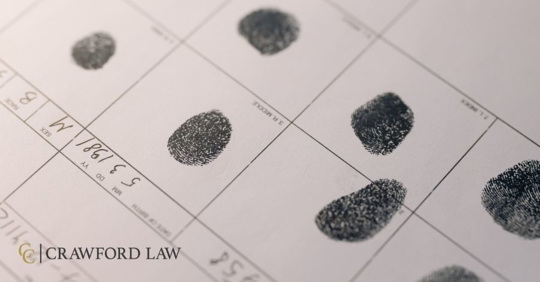
DNA and Fingerprints: Finding your DNA or fingerprints at a crime scene is powerful evidence, though a skilled lawyer can still challenge how and when it got there.
Digital Footprints: In today's digital age, your phone records, GPS data, text messages, and social media posts are frequently used as digital evidence.
Ballistics and Toxicology: Weapon testing and blood alcohol or drug levels are highly technical pieces of evidence that require expert scrutiny.
3. Witness Testimony and Credibility
Eyewitness testimony is incredibly persuasive to a jury, but it is also notoriously unreliable. Stress, poor lighting, and passage of time can distort a witness's memory.
Furthermore, the state often relies on "cooperating witnesses" or informants. An assertive defense will rigorously cross-examine these individuals to expose their biases, inconsistencies, or motives for lying (such as securing a plea deal for themselves).
4. Constitutional Evidence (and How to Throw It Out)
Sometimes, the most important evidence is the piece that never makes it to trial. The Fourth Amendment protects you against unlawful searches and seizures. If Florida law enforcement violated your rights—such as pulling you over without probable cause or searching your home without a valid warrant—that evidence may be deemed "fruit of the poisonous tree."
A proactive defense team will file a Motion to Suppress, forcing the judge to throw that illegally obtained evidence out. Without it, the state’s case frequently collapses.
Protect Your Rights and Your Freedom
If you or a loved one is facing felony charges in Florida, do not wait for the state to build its case against you. You need an aggressive, knowledgeable legal team like Crawford Law. We know how to dissect the prosecution's evidence and uncover the facts that work in your favor.
Contact us today at (850) 220-2098 to schedule a consultation and start building a powerful defense.