
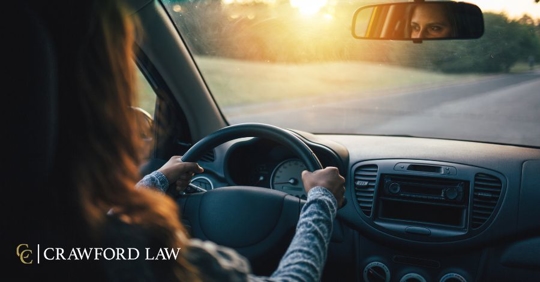
In Florida, spring isn’t just about blooming hibiscus and warmer beach days. For drivers, it’s a season that introduces a unique set of variables that can turn a routine commute into a high-stakes navigation exercise. While much of the country is still shaking off the last of the snow, Florida residents are dealing with shifting weather patterns, increased congestion, and active wildlife.
Staying safe on our roads requires more than just defensive driving; it requires an assertive understanding of the specific hazards that emerge this spring season.
1. The "First Rain" Phenomenon
After the relatively dry winter months, Florida’s spring showers bring a hidden danger. When rain hits pavement that has collected oil, grease, and rubber debris for weeks, it creates a slick, lubricated film. This makes the roads significantly more slippery than they are during a mid-summer downpour. Hydroplaning is a primary risk during the first ten minutes of a spring storm.
2. Spring Break Congestion and Out-of-State Drivers
From the Panhandle down to the Keys, springtime sees a massive influx of visitors. This surge in traffic doesn’t just mean longer commute times; it also means sharing the road with drivers unfamiliar with our complex interchanges and "Move Over" laws. Be on high alert for sudden lane changes, GPS-distracted tourists, and a statistical increase in impaired driving incidents during these peak vacation weeks.
3. Increased Pedestrian and Cyclist Activity
The mild spring temperatures bring everyone outdoors. You will see a marked increase in cyclists, joggers, and pedestrians, particularly in residential areas and beach corridors. Florida consistently ranks as one of the most dangerous states for pedestrians; as a driver, the burden of awareness is on you. Check your blind spots twice before turning, especially in high-traffic zones.
4. Wildlife on the Move
Spring is the mating and nesting season for much of Florida’s wildlife. You are more likely to encounter deer, alligators, and even smaller animals like turtles crossing major thoroughfares. These encounters often peak at dawn and dusk. If an animal darts into your path, the safest move is often to brake firmly rather than swerving, which can lead to a more severe collision with oncoming traffic or fixed roadside objects.
5. Blinded by the Light: Sun Glare
With the days getting longer, many Floridians find themselves driving directly into the sun during their morning or evening commutes. Intense sun glare can temporarily blind you to brake lights and traffic signals. Keep your windshield clean—inside and out—and ensure you have a pair of polarized sunglasses ready to mitigate this blinding hazard.
Protect Your Rights After an Accident
Even the most cautious drivers can fall victim to the negligence of others or the unpredictability of seasonal hazards. If you have been involved in an auto accident this spring, you need a legal team that understands the local landscape and refuses to settle for less than you deserve. At Crawford Law, we provide the assertive representation required to navigate insurance claims and secure your recovery.
Don’t face the aftermath alone. Contact us today at (850) 220-2098 to discuss your case.